Stop the water, then think about the rest
- Shut off the water at the fixture or the main if you can locate it safely.
- If standing water is anywhere near outlets, switches or appliances, shut off power to that area at the breaker before you do anything else.
- Move furniture, rugs and anything irreplaceable out of standing water.
Document before you start cleaning up
Take photos and video of the standing water, the affected rooms and any damaged belongings before you move or discard anything. Most Connecticut homeowners insurers want this documentation, and it is much easier to gather in the first hour than after cleanup has already started.
Start drying immediately — do not wait for the adjuster
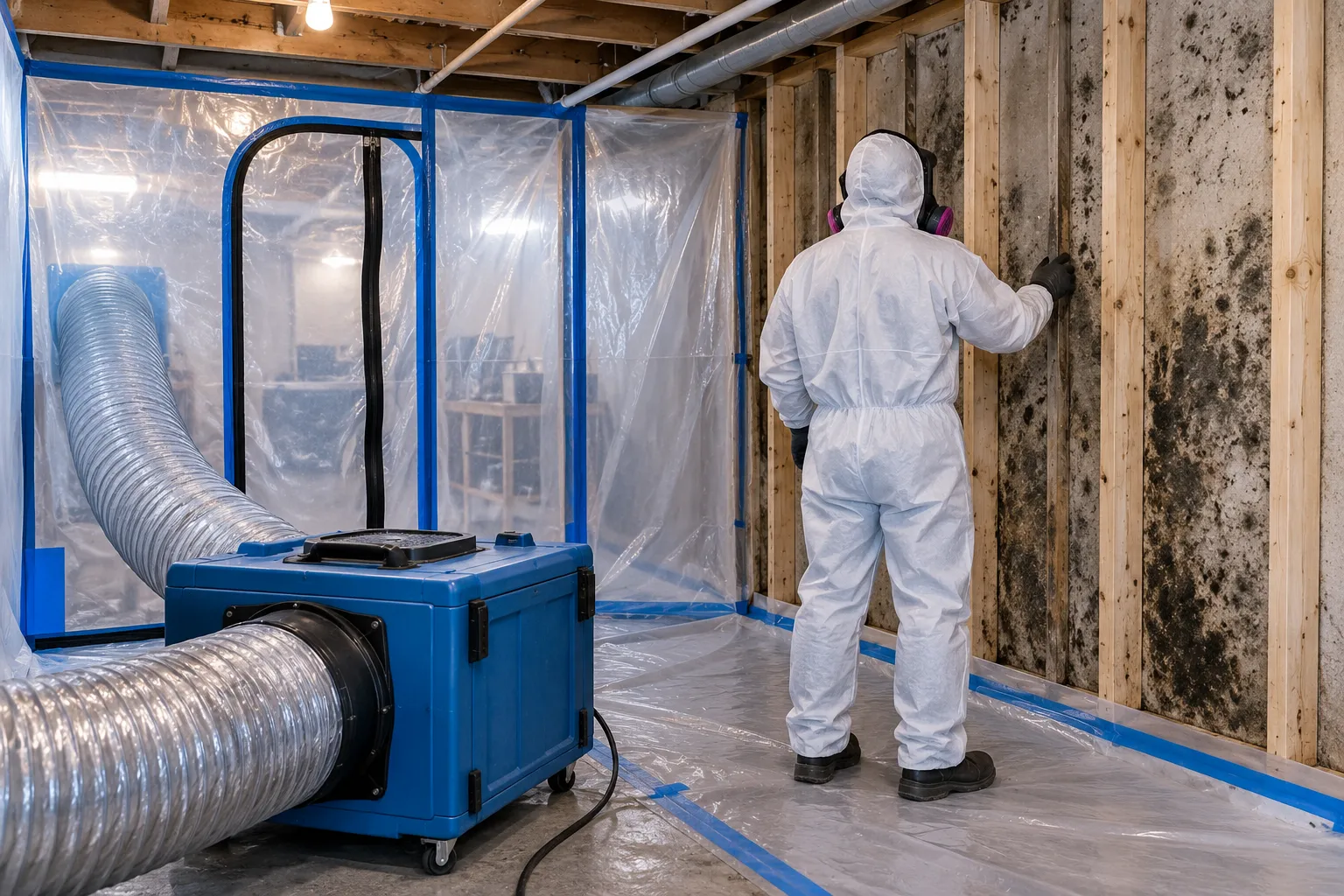
Mold can begin developing in wet materials within 24-48 hours, so the clock matters. Most policies actually require you to take reasonable steps to prevent further damage, not wait for an adjuster to show up before you start mitigating.
- Get wet furniture and rugs up off wet flooring.
- Open windows if the weather allows, or run air conditioning and a dehumidifier to start pulling moisture out of the air.
- Don't use a household vacuum on standing water — it isn't built for it and can be a shock hazard.
Call your insurer, then call a restoration crew
Report the loss early. Most policies require prompt notice, and a restoration company can document the damage in a way that supports your claim rather than complicates it.
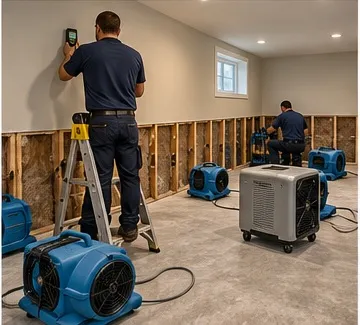
A small, visible spill you can handle yourself. Standing water that has been sitting for any length of time, or that reached flooring and walls, usually means hidden moisture behind the surfaces you can see — worth a professional moisture check even if everything looks dry on top.