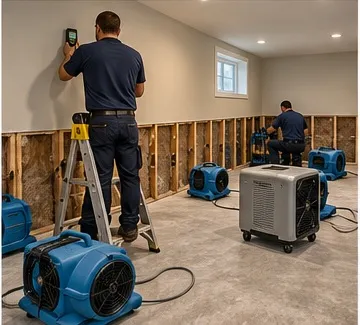
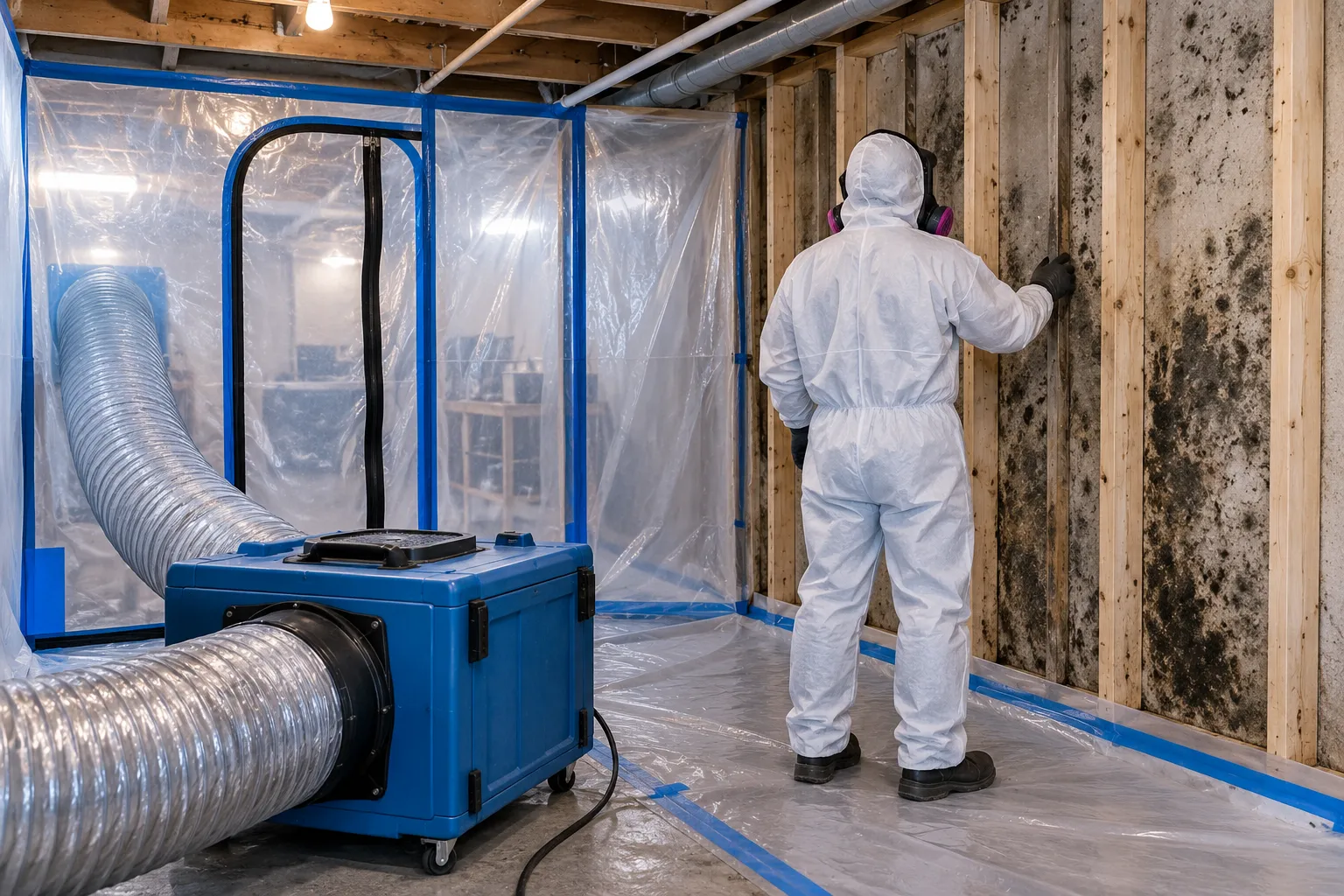
It depends on what caused it
Most standard homeowners policies cover mold only when it results from a sudden, accidental "covered peril" — a pipe that burst overnight, for example — not from an ongoing leak, humidity, or a problem that was left unaddressed for a while.
What tends to be covered
- Mold that develops after a sudden, accidental water event, like a burst pipe or an overflowing appliance.
- Cleanup costs tied to that same covered claim — though usually capped by a mold-specific sublimit buried in the policy, often well below your overall dwelling coverage.
What tends NOT to be covered
- Mold from a slow leak you didn't catch or fix in time.
- Flood-related mold — flood damage needs a separate flood policy, which standard homeowners insurance does not include.
- Mold from ongoing humidity or condensation issues.
- Anything an insurer can attribute to deferred maintenance.
If you find mold
- Don't ignore a small spot — it rarely stays small, especially in a humid Connecticut summer.
- Photograph it before you touch or clean anything.
- Call your insurer and ask specifically about your policy's mold sublimit and covered-peril language — don't assume from a general summary.
- Get a written assessment from a restoration professional if your claim is disputed.
Mold coverage is one of the most misunderstood parts of a standard policy, and the sublimit catches people off guard more than the covered-or-not question does. Read your policy's actual mold clause, or call your agent, before you assume either way.
Dealing with damage right now?A person answers 24/7.
Get emergency help