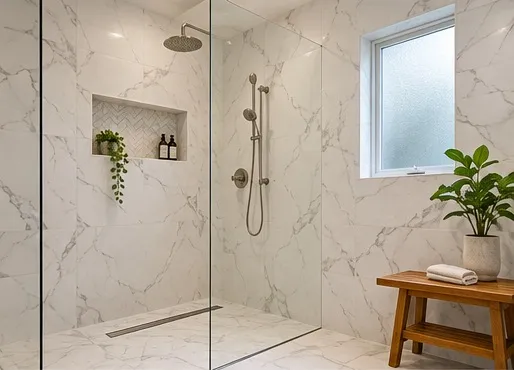
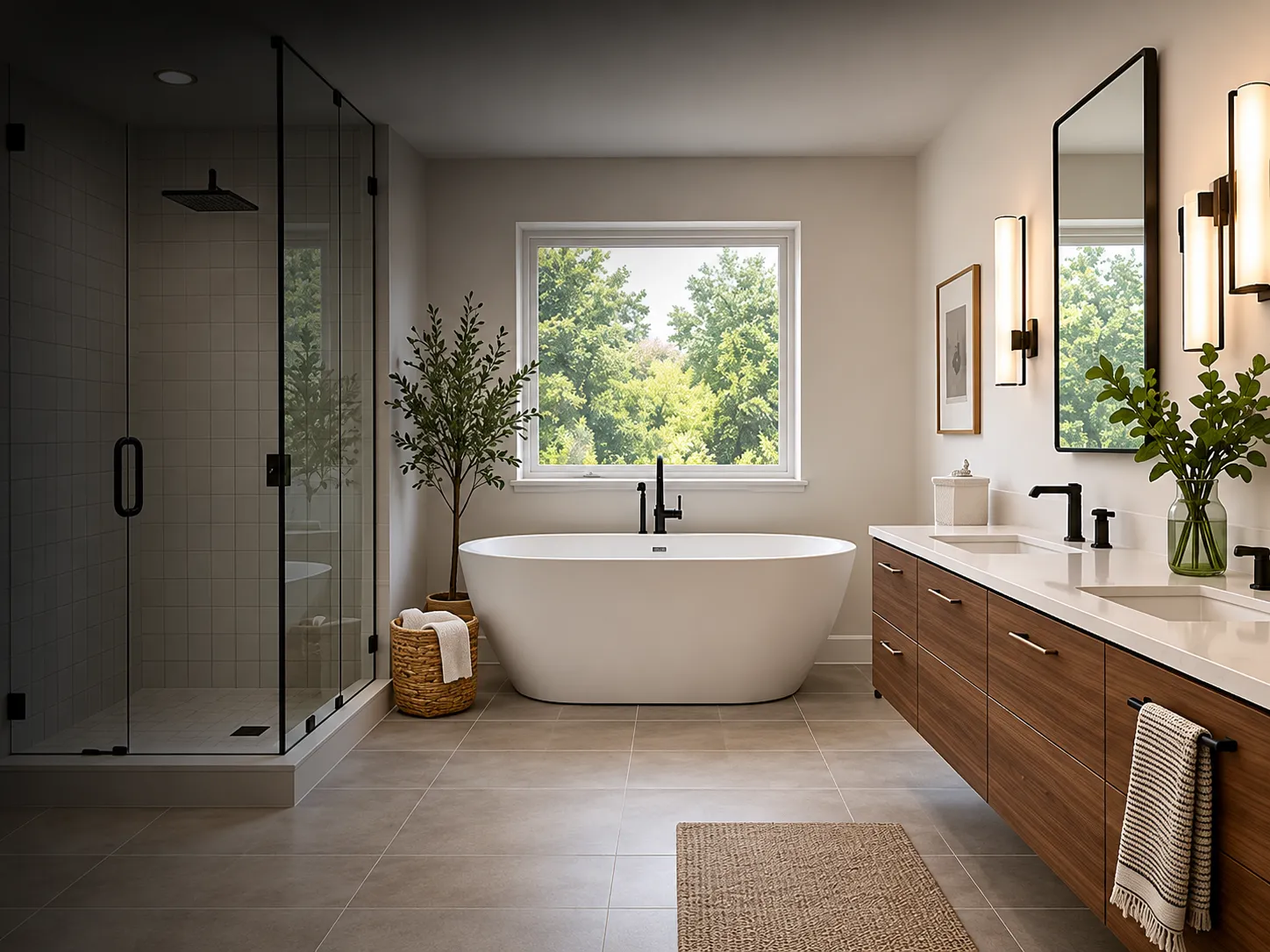
In this article, we explore the essential steps to plan and budget effectively for professional bathroom remodeling services. Whether you're looking for a simple upgrade or a complete renovation, having a well-defined plan and budget can ensure a successful outcome. With the growing popularity of home renovation projects, it's crucial to navigate the process strategically, making informed choices to optimize both time and resources.
Bathroom remodeling services not only offer an opportunity to improve the aesthetics of the space but also to enhance functionality and increase home value. As exciting as the transformation might be, it requires careful planning and budgeting. A systematic approach allows you to achieve your dream bathroom while avoiding common pitfalls associated with renovation projects.
Assessing Your Needs and Objectives
Start with assessing your current bathroom's layout, functionality, and overall appeal. Determine what specific elements you wish to change. Is it the outdated tiles or the inefficient shower system? Clearly identifying your needs and objectives sets a solid foundation for the project. It will also help you communicate effectively with your hired professionals, ensuring they understand your vision. Additionally, consider your long-term goals for the space — are you planning to accommodate growing family needs, or are you enhancing the appeal for a future sale? Understanding your objectives will guide your decisions throughout the remodeling process.
Setting a Realistic Budget
One of the most critical aspects of bathroom remodeling services is setting a realistic budget. Start by researching average costs for the type of remodel you are considering, and balance your desired upgrades with what you are willing to spend. According to RubyHome, 91% of homeowners hire professionals for their remodeling projects, which highlights the importance of factoring professional fees into your budget. Alongside material and labor costs, unforeseen expenses can arise during the project — it's prudent to include a contingency fund, typically 10-15% of your budget, to manage unexpected costs efficiently.
Exploring Design Options
Once you have a clear understanding of your needs and budget, it's time to dive into design options. From sleek modern designs to classic styles, the possibilities are endless. Consider gathering inspiration from design magazines, online platforms, and home improvement shows, and take note of the materials, color palettes, and fixtures you might want to incorporate. Engage with experts or use design software to visualize potential layouts and lighting scenarios.
Researching Qualified Professionals
Deciding to hire qualified professionals is a significant step in ensuring a successful bathroom remodel. Start by seeking recommendations from friends, family, or online review platforms, and look for contractors with a proven track record, relevant licensing, and certifications. An experienced contractor will offer insights, practical solutions, and guidance throughout the process — managing timelines, coordinating tradespeople, and ensuring compliance with building codes.
Materials and Supplies
Materials and supplies form a substantial part of the remodeling budget. High-quality materials provide longevity and aesthetic appeal, but they come with a higher price tag, so it's essential to shop around and opt for materials within your budget that still meet your quality standards. Opt for energy-efficient fixtures when feasible; they might have a higher upfront cost but yield savings in utility bills over time.
Labor Costs and Professional Fees
Engaging professionals for bathroom remodeling services involves accounting for labor costs and professional fees. Generally, labor eats up around 20-40% of the total remodeling budget, and costs vary based on the complexity of the project and the region where you reside. When hiring professionals, ensure you understand their pricing structure — whether a flat fee, hourly rate, or percentage of the project cost — to avoid misunderstandings as the project progresses.
Permits and Inspection Fees
Depending on the scope of the remodel, you might need permits from your local municipality — structural changes, plumbing modifications, or electrical upgrades often require official documentation. Permit costs vary by location, but failing to secure necessary permits can lead to legal complications and fines. Working with licensed professionals can simplify this aspect, as they are familiar with the necessary permits and processes.
Unexpected Costs and Contingency
Regardless of how well you plan, unexpected issues can arise during remodeling, impacting your budget. Hidden water damage, outdated wiring, or subpar prior renovations are commonly encountered problems. These unforeseen circumstances necessitate a flexible budget with a contingency fund to cover the additional expenses, along with open communication with your contractor to swiftly address any surprises.
Scope of Work and Project Timeline
The scope of work is a crucial component of your contract. It outlines every aspect of the project, ensuring both parties agree on the work to be completed, which prevents ambiguity and minimizes potential disputes. A realistic project timeline should also be established, accounting for all phases from demolition to final inspections, with timely updates from your contractor to keep the project on track.
Payment Schedule and Budget Details
A transparent payment schedule in the remodeling contract is key to managing finances effectively. Agreeing on installments tied to project milestones safeguards both your and the contractor's interests and incentivizes timely completion of phases. Comprehensive budget details within the contract — an itemized breakdown of material costs, labor fees, and other expenses — help monitor expenditures against original estimates and allow adjustments to remain within financial limits.
Warranty and Guarantees
Including warranties and guarantees in your remodeling contract offers peace of mind. They safeguard against defects in materials and workmanship after project completion, so clarify the duration and scope of warranties covering fixtures, installations, and the contractor's workmanship. Guarantees demonstrate the contractor's confidence in their work quality, further establishing trust in the working relationship.
A well-planned bathroom remodel comes down to the same fundamentals every time: a clear budget with a contingency built in, qualified professionals you have vetted, and a contract that spells out the scope, payment schedule and warranty in writing.